What a PV-T hybrid panel is
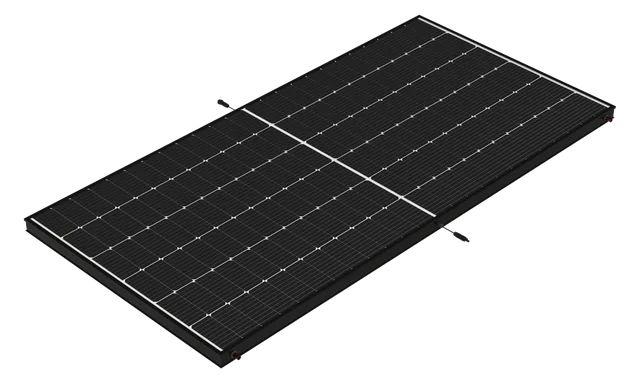
A PV-T (photovoltaic-thermal) hybrid panel is a solar module that generates electricity with photovoltaic cells and simultaneously captures the heat those cells would otherwise waste, using a fluid-cooled absorber bonded to the back of the module. From one roof area it therefore delivers two forms of energy: electricity for the building or grid, and low-temperature heat for hot water, pool heating or a heat pump.
Why cooling the cells helps
Standard PV modules convert roughly 20–22 % of sunlight into electricity; the rest becomes heat, and cell temperature can exceed 60–70 °C in summer. Crystalline silicon loses about 0.3–0.4 % of output per kelvin above 25 °C. Removing heat with a fluid keeps the cells cooler, which recovers a few percent of electrical yield, and turns the remaining energy into useful thermal output instead of heating the roof.
Unglazed and glazed designs
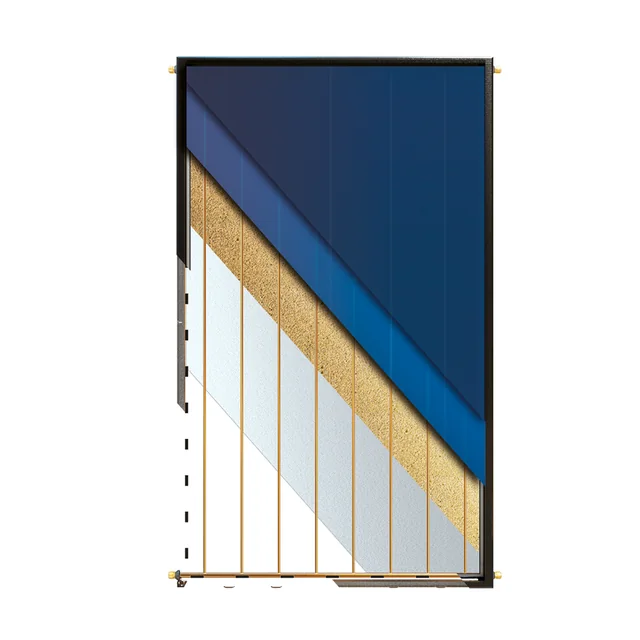
Unglazed PV-T (also called WISC — wind and infrared sensitive collectors) looks like a normal module with an absorber and, optionally, insulation at the back. It works best at fluid temperatures close to ambient, has high thermal output when the fluid is cool and can even extract heat from the air at night. Glazed PV-T adds a cover glass and air gap above the cells, raising thermal efficiency at higher temperatures at the expense of some electrical output and higher cell temperatures — a niche solution where water at 50 °C or more must come directly from the panel.
Where PV-T makes sense
- Limited roof area: when a home or hotel roof cannot fit both PV and solar thermal, PV-T uses the same square metres twice.
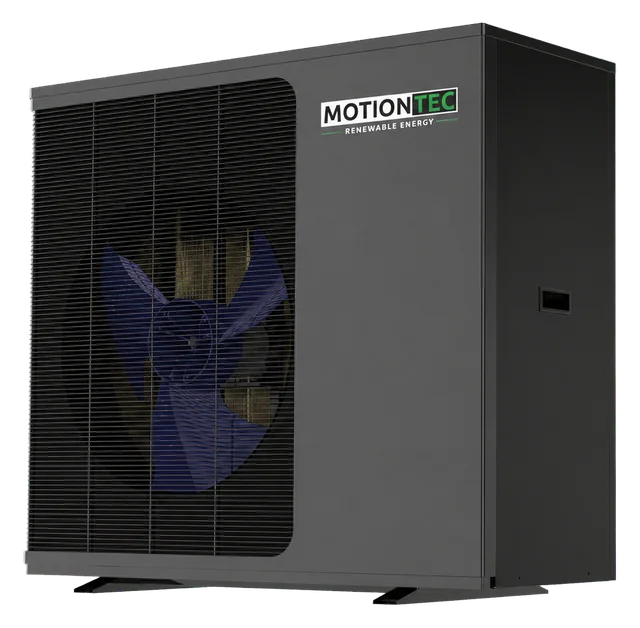
- Heat pump source: unglazed PV-T fields feed a brine-to-water heat pump or regenerate boreholes, creating a solar-assisted heat pump with a higher seasonal efficiency than an air-source unit alone.
- Domestic hot water preheat: PV-T lifts cold water to 30–45 °C and a heat pump or heater finishes the job.
- Swimming pools: pool water at 26–30 °C is an ideal load for unglazed PV-T.
- Commercial buildings with year-round low-temperature demand such as hotels, sports centres and laundries.
What yields to expect
A typical unglazed PV-T module of about 2 m² carries 400–450 Wp of PV and produces several hundred watts of thermal power alongside it when the fluid is close to ambient temperature; thermal peak power per module is often two to three times the electrical peak. Annual thermal output depends heavily on the temperature of the load — the cooler the fluid, the more heat is harvested — so in preheat and heat-pump-source applications thermal yield is commonly two to three times the electrical yield.
According to the IEA Solar Heating and Cooling Programme's Solar Heat Worldwide report, Germany was the largest market for newly installed PV-T collectors in 2024, mostly in combination with heat pumps — a sign of where the technology is finding its niche.
Standards and certification
The PV side is tested to IEC 61215 and IEC 61730 like any module; the thermal side is tested under ISO 9806, which covers PV-T collectors explicitly. Solar Keymark certification is available for PV-T through a dedicated annex to the scheme rules, and the IEA SHC Task 60 programme documented performance data and system concepts. Buyers should ask for both certificates and for thermal coefficients measured with the PV operating at maximum power point (MPP), which is the realistic case.
Design considerations
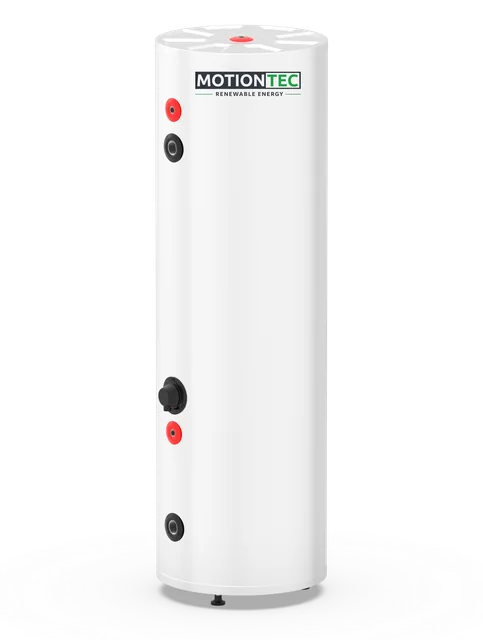
Use glycol or drainback for frost protection as with any solar loop; keep flow temperatures low to maximise both electrical and thermal gains; choose back-insulated modules when hot water is the goal and uninsulated ones when the panels serve as a heat pump source; mount rows for simple hydraulic connection; and size storage or the heat pump evaporator for the low temperature levels involved. Combined with a buffer or hygienic tank and an R290 heat pump, PV-T can raise a building's solar fraction well above what either technology alone would achieve on the same roof.
Frequently asked questions
Is PV-T more efficient than separate PV and solar thermal panels?
Per square metre, yes: a PV-T panel can convert 60–80 % of the incoming sunlight into electricity plus heat. A dedicated glazed thermal collector produces hotter water and a plain PV module slightly more electricity, so PV-T wins when roof area is limited or a low-temperature heat sink such as a heat pump or pool is available.
Can PV-T panels replace a heat pump or boiler?
No. PV-T supplies heat mainly at 20–45 °C, so it is best used to preheat hot water, heat pools or serve as the source for a heat pump, which then lifts the temperature to what the building needs.
Do PV-T panels work in winter?
The PV side produces electricity whenever there is light. Thermal output falls in winter, but unglazed panels can still act as a heat pump source at low irradiance and even at night by absorbing heat from the surrounding air.
How much extra electricity does cooling the cells give?
Typically a few percent over a year, rising towards 10 % in hot climates with a cool heat sink, because crystalline cells lose about 0.3–0.4 % of output for every kelvin above 25 °C.